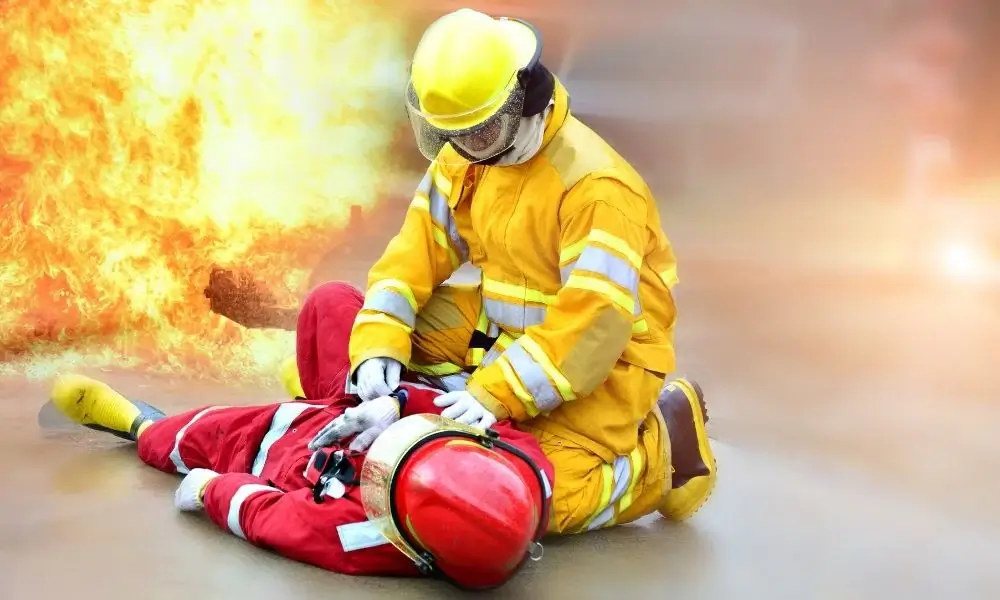
Fire accidents can cause serious injuries, loss of life, property damage, and long-term disruption to businesses and communities. One of the most effective ways to prevent fire accidents is through a proper fire risk assessment. Fire risk assessment is a proactive process that identifies potential fire hazards and puts control measures in place before incidents occur.
Understanding Fire Risk Assessment
Fire risk assessment is a structured approach to evaluating the likelihood of a fire and its potential consequences. It examines how a fire could start, how it might spread, and who could be affected.
By understanding these factors, organizations can take preventive action rather than reacting after an accident has occurred. This proactive approach is key to reducing fire-related incidents.
Identifying Fire Hazards Early
One of the main ways fire risk assessment helps prevent fire accidents is by identifying hazards at an early stage. Hazards may include faulty electrical systems, unsafe storage of flammable materials, poor housekeeping, or unsafe work practices.
Early identification allows organizations to remove or control hazards before they develop into serious fire risks. This reduces the likelihood of accidental ignition and fire spread.
Reducing Ignition Sources
Fire risk assessments focus on controlling ignition sources that can cause fires. Electrical equipment, machinery, heating systems, and hot work activities are common causes of fire accidents.
Through assessment, faulty equipment can be repaired or replaced, maintenance schedules improved, and safe working procedures implemented. These measures significantly reduce the chances of fires starting.
See also: Pamper Yourself with Spa-Quality Treatments at Home!
Controlling Combustible Materials
Fire risk assessment helps manage combustible materials that fuel fires. By identifying what materials are present and how they are stored, organizations can reduce fuel loads and limit fire spread.
Good housekeeping practices, safe storage arrangements, and proper waste management are often introduced as a result of fire risk assessment findings. These controls play a vital role in preventing fire accidents.
Protecting People Through Safe Planning
Fire risk assessment identifies who may be at risk during a fire and ensures appropriate protection measures are in place. This includes employees, visitors, residents, and contractors.
By planning safe evacuation routes, installing effective alarms, and considering vulnerable individuals, organizations reduce the risk of injuries and fatalities during fire incidents.
Improving Fire Detection and Early Warning
Early detection is critical in preventing small fires from becoming major accidents. Fire risk assessment evaluates the suitability of fire detection and alarm systems.
Improvements such as installing smoke detectors, heat detectors, or automatic alarms provide early warning, allowing occupants to respond quickly and prevent escalation.
Enhancing Emergency Preparedness
Fire risk assessment supports the development of clear emergency procedures. These procedures guide occupants on what to do during a fire and help prevent panic and confusion.
Regular fire drills and training, based on the assessment, improve response times and ensure that people know how to act safely. Preparedness is a key factor in preventing accidents and injuries.
Encouraging Fire Safety Awareness
Fire risk assessment promotes fire safety awareness among staff and occupants. When people understand fire risks and their role in prevention, they are more likely to follow safe practices and report hazards.
This awareness creates a culture of responsibility and vigilance, which helps prevent fire accidents on an ongoing basis.
Adapting to Changes and New Risks
Workplaces and buildings change over time, introducing new fire risks. Fire risk assessment helps organizations adapt to these changes by identifying emerging hazards and updating control measures.
Regular reviews ensure that fire prevention strategies remain effective as conditions evolve.
Conclusion
Fire risk assessment plays a crucial role in preventing fire accidents by identifying hazards, reducing ignition sources, controlling combustible materials, and improving preparedness. It transforms fire safety from a reactive response into a proactive prevention strategy. By conducting regular fire risk assessments and acting on their findings, organizations can significantly reduce fire accidents and protect lives, property, and operations.