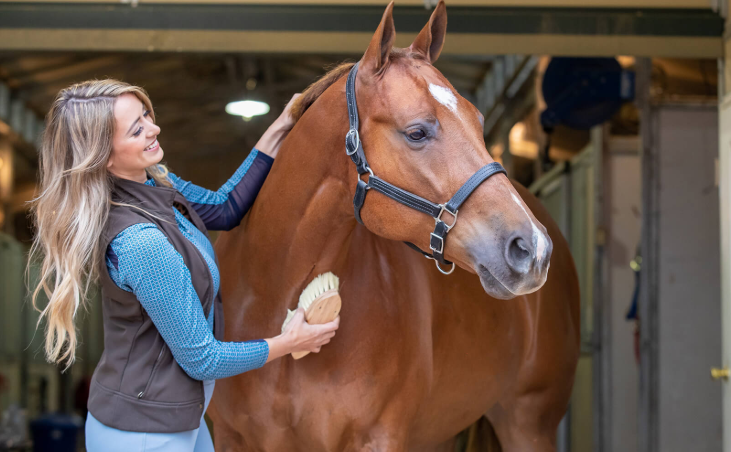
Misconceptions about racehorse treatment abound, often painting a grim picture of their lives in the racing industry. Many people believe that these animals are forced to race against their will, while others think their welfare is neglected. However, the reality is more complex. Advocates for humane training practices highlight the importance of consent and trust between horse and handler. Yet, the existence of inhumane practices raises significant concerns. What does this mean for the future of racehorse welfare?
Racehorses Are Forced to Run Against Their Will
How do racehorses truly feel about racing? Many advocates argue that racehorses are not forced but trained through methods that respect their natural horse behavior.
Consent training allows these animals to willingly engage in racing, fostering a bond between horse and handler.
Understanding this perspective can shift the narrative, highlighting the importance of compassionate training approaches that prioritize the horse’s well-being and autonomy.
See also: Nutrition Science for Equine Athletes
The Racing Industry Neglects Animal Welfare
Concerns about animal welfare in the racing industry often arise alongside discussions about the treatment of racehorses. Critics argue that the industry’s focus on profit frequently undermines ethical treatment and welfare standards.
Despite existing regulations, many believe that more robust measures are necessary to ensure the well-being of these animals, advocating for a shift towards practices that prioritize their health and happiness.
Racehorses Are Subjected to Inhumane Training Practices
While many racehorses are trained with care and attention, there remains a troubling reality that some training practices are deemed inhumane.
These practices can compromise equine welfare, utilizing harsh training methods that prioritize performance over the horses’ well-being.
Advocacy for humane training techniques is essential, as awareness of these issues can lead to improved standards and a commitment to the freedom and dignity of racehorses.
Conclusion
In conclusion, while myths about racehorse treatment often overshadow the reality of their care and training, it is essential to recognize the ongoing efforts by many within the industry to prioritize humane practices. Interestingly, a study found that approximately 80% of trainers now utilize consent-based training methods, fostering a more positive relationship between horses and handlers. This statistic highlights the potential for reform and the commitment to improving animal welfare in the racing industry, dispelling prevalent misconceptions.